
How to Be Home by Christmas 2026: A Richmond, KY Buyer's TimelineBy Miranda Black, Realtor® with Berkshire Hathaway HomeServices Foster, RealtorsThere's a specific kind of magic in spending

Dated: August 7 2024
Views: 479
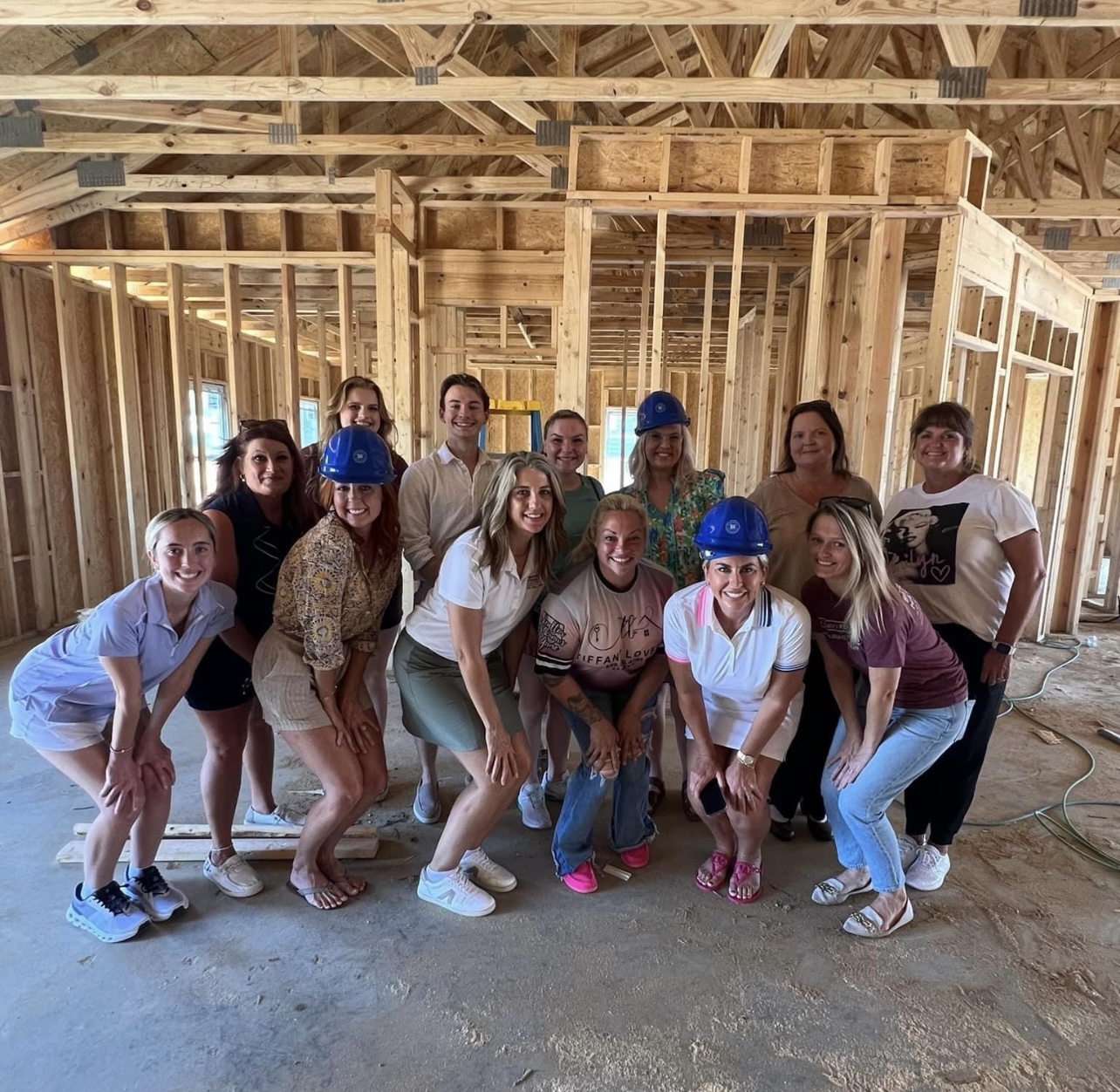
Ever wondered how your brokerage can stay ahead of the curve in the ever-evolving real estate industry? Today’s class, combined with an enlightening field trip, offered some invaluable insights into the world of new construction and how it can give you a competitive edge.
The real estate landscape is shifting rapidly, and new construction is at the forefront of these changes. Whether it’s innovative building materials, smart home technologies, or sustainable practices, understanding the latest trends in new construction is crucial for staying relevant and competitive.
Trends in New Construction: From eco-friendly materials to energy-efficient designs, today’s class highlighted the most current trends shaping the industry. Being informed about these trends not only enhances your knowledge but also equips you to better serve clients who are looking for modern, sustainable, and efficient homes.
Navigating Zoning and Regulations: A significant portion of the class was dedicated to understanding the complex web of zoning laws and construction regulations. Staying updated on these regulations ensures that you can guide your clients through the construction process smoothly and avoid potential pitfalls.
Client Expectations and Preferences: Today’s class also covered how client preferences are evolving with new construction. Today’s buyers are not just looking for a house; they’re looking for a home that integrates seamlessly with their lifestyle and values. Knowing what features are in demand can help you match clients with their dream properties.
After the class at the office, we headed out for a field trip to a local construction site. This hands-on experience offered a deeper understanding of the theoretical knowledge we had just learned. Here are some highlights from the trip:
Innovative Building Techniques: Seeing the construction process up close, we observed the use of cutting-edge techniques and materials that enhance durability and efficiency. From 3D-printed components to advanced insulation methods, these innovations are transforming the way homes are built.
Sustainable Practices: The site featured several sustainable building practices, including the use of recycled materials and energy-efficient systems. It was fascinating to see these practices in action and understand their impact on both the environment and long-term cost savings for homeowners.
Design and Functionality: The field trip also showcased how modern design is being integrated into new construction. Open floor plans, smart home technology, and customizable features were just a few examples of how builders are responding to current market demands.
In conclusion, staying ahead in the real estate industry requires a proactive approach to learning and adapting to new trends. Today’s class and field trip provided a wealth of information that can help our agents remain competitive and successful. Embrace these insights, and watch your business thrive in the ever-changing world of real estate!

Megan Campbell Marketing Director, Berkshire Hathaway HomeServices Foster Realtors 859-353-7521 www.BHHSFoster.com marketing@bhhsfoster.com 2629 Lexington Road, Richmond, KY 40475&nbs....
How to Be Home by Christmas 2026: A Richmond, KY Buyer's TimelineBy Miranda Black, Realtor® with Berkshire Hathaway HomeServices Foster, RealtorsThere's a specific kind of magic in spending
From “Not Ready Yet” to Homeowners: A 3-Year First-Time Buyer Success Story in Powell County, KentuckySome closings mean a little more because you know just how much work it took to get
The Central Kentucky housing market has experienced a fascinating shift. We are moving away from the chaotic "seller-at-all-costs" environment of the early 2020s and into a much more balanced market
There's nothing quite like the moment a renter becomes a homeowner. It's more than paperwork and a closing date — it's the moment someone stops paying toward someone else's investment and
 Data last updated: September 11, 2026 6:23 PM UTC and updating occurs daily
The data relating to real estate for sale on this web site comes in part from the Internet Data Exchange Program of the ImagineMLS. Real estate listings held by IDX Brokerage firms other than Berkshire Hathaway HomeServices Foster, REALTORS® are marked with the IDX logo or the IDX thumbnail logo and detailed information about them includes the name of the listing IDX Brokers. Information Deemed Reliable but Not
Guaranteed. © 2026 ImagineMLS. All rights reserved.
Show More...
